Start with a route you can explain, then add rooms only when a test shows why they belong. This guide separates a useful layout plan from a decorative maze.
Compact routeVisitor trafficOne changeRetest
Quick answer
The best layout is the one you can test and rebuild
There is no verified universal maze that wins for every server. Begin with one readable entrance, a main corridor, a clear turn, and a short return loop. Watch visitors use it, change one connection or placement, and retest before expanding.
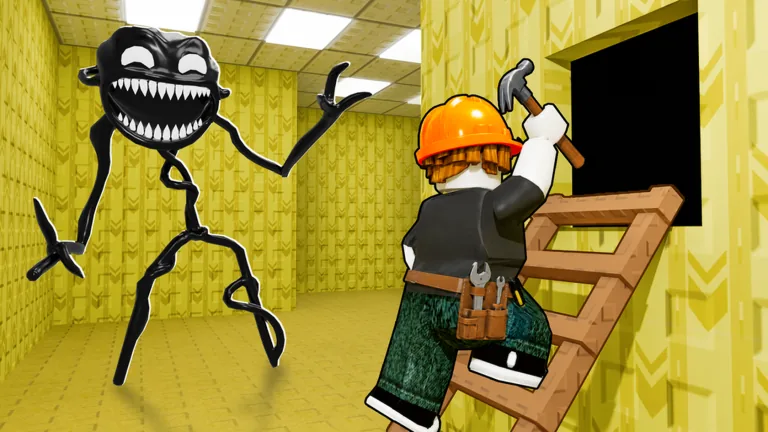
Official Roblox thumbnail for the maze setting; use it as context, not as proof that this exact arrangement is optimal.
Layout sequence
Build Your Backrooms best layout in 5 checks
Use the same checkpoints every time. A compact baseline gives you an answer you can compare; a large maze gives you more possible explanations for a slow run.
Check
What to build
What to observe
1. Entrance
Connect one clear entrance to a short path.
Visitors enter instead of stopping at a decorative dead end.
2. Main lane
Give the route one obvious corridor before adding branches.
You can identify the lane carrying repeated traffic.
3. Turn and return
Add one visible turn and a return point for the loop.
The same route can be followed across more than one pass.
4. One test variable
Move one monster, connection, or room beside proven traffic.
The result has a meaningful before-and-after comparison.
5. Controlled expansion
Add one branch only after the baseline is understandable.
You know whether the new space helps or dilutes traffic.
Decision matrix
Which layout choice fits the current problem?
Choose the smallest change that answers the question in front of you. The generator can sketch a pattern, but the live game tells you whether visitors actually use it.
Layout choice
Use it when
Hold it back when
Short main corridor
You need a baseline that makes traffic easy to see.
The entrance or endpoint is still untested.
Single turn
You want to check whether visitors complete a simple loop.
Several branches already hide the active lane.
Side branch
The main loop repeats and you can compare the branch separately.
You are adding space to cover up a route problem.
Monster near traffic
Visitors pass the same point across repeated runs.
The room has no observed visitors yet.
Layout generator sketch
You need a quick pattern or seed to plan a test build.
You treat the generated map as an official game map.
Layout reasoning
What “best layout” means in Build Your Backrooms
Searches for the Build Your Backrooms best layout often sound like they want one finished blueprint. A useful answer is more specific: the best layout is the smallest route that makes visitor movement, progression, and the next change easy to inspect. A maze can look impressive while an unused entrance, split path, or blocked connection makes the result impossible to diagnose. Treat a recommended layout as a testable starting point, not a promise that every player, server, or update will produce the same outcome.
Layout reasoning
Start with a compact route you can describe
Build the first version so you can explain it in one sentence: visitors enter here, follow this corridor, turn here, and return to the next checkpoint. Keep decoration and extra rooms out of the first comparison. If visitors do not enter, the route shape is the first problem to inspect. If they enter but stop before the turn, inspect the connection before moving a monster. A short route is not a permanent limit; it is a clean baseline for the next decision.
Layout reasoning
Make the main corridor visible before adding branches
A branch is useful when it answers a question, such as whether visitors prefer a second route or whether a room improves a progression loop. Add it only after the main corridor has repeated traffic. Mark the entrance, active lane, turn, and endpoint in your notes or screenshot. When a branch makes the flow harder to read, remove it temporarily instead of stacking more rooms on top. The goal is to keep one clear comparison between the old route and the new route.
Layout reasoning
Place monsters after you can see traffic
Monster placement belongs beside proven visitor movement, not in an empty room chosen because it looks central. First observe the same corridor or turn across more than one pass. Then move one monster while leaving the route and other placements stable. Record what changed and what actually happened. This method cannot prove a universal catch rate or reward, but it can show whether a placement deserves another test. Use the monster guide for placement questions and keep exact values marked as unverified until a current source supports them.
Layout reasoning
Use money and progression as signals, not invented rates
A working loop may show a cash or build progression signal, but one lucky reward does not establish a cash-per-minute rule. Compare the same checkpoints before and after one layout change. Write down whether visitors entered, which lane they used, whether the loop repeated, and whether the next progression step appeared. If the result changes when you add a room, the room is a variable to investigate, not proof that the entire maze is better. The money-farm guide covers that narrower comparison.
Layout reasoning
Retest after updates and keep the plan reversible
Rooms, interface labels, visitor movement, monsters, and economy behavior can change when the Roblox experience updates. A current screenshot or old layout post is a dated reference, not a permanent rule. When a visible change appears, rebuild the smallest baseline, run the same checkpoints, and change one part at a time. Keep a compact route you can restore if an experiment makes traffic harder to read. The layout generator can help you sketch a pattern, while the live experience remains the source for actual behavior.
Official game context
Three visual references for a layout decision
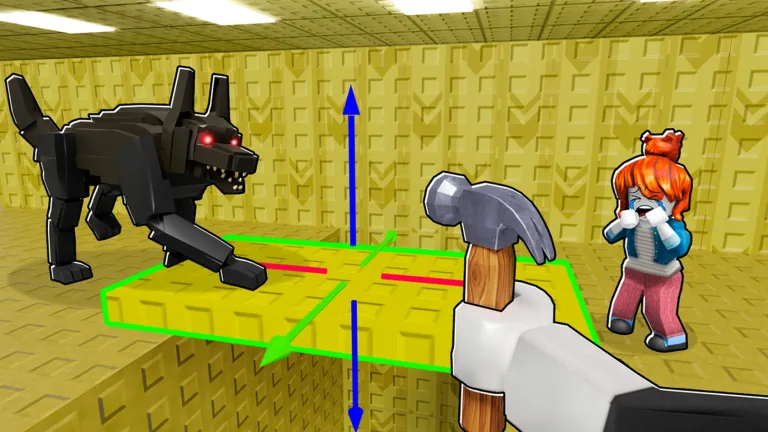
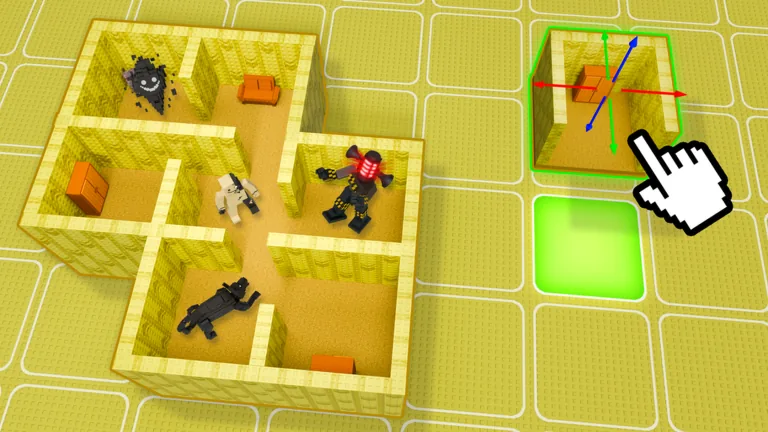
These official Roblox thumbnails identify the game setting and building context. They are not measured gameplay screenshots and do not prove an optimal arrangement.
Official Roblox thumbnail: use the maze view to name the entrance and main lane before testing a change.Official Roblox thumbnail: the monster image gives context, but it does not establish a catch rate or best position.
A reliable best layout is a repeatable starting point
A reliable best layout is a repeatable starting point
Begin with one entrance, one main lane, one turn, and a route you can observe. Add a branch or monster only when the previous state is clear, then compare the same checkpoints again. The best Build Your Backrooms layout is the one that helps you explain what changed and rebuild it after the next update.
FAQ
Build Your Backrooms best layout FAQ
What is the best Build Your Backrooms layout?
There is no verified universal blueprint. Start with a compact entrance-to-loop route, observe repeated visitor traffic, and compare one change at a time.
How should I build a maze in Build Your Backrooms?
Make the entrance and main corridor easy to follow, add one visible turn, and delay branches until the baseline route repeats. Use the layout generator as a planning sketch, not as an official map.
Where should I place a monster in the best layout?
Place one monster beside a corridor, turn, or entrance that visitors already use. Retest the same route before moving more monsters or claiming an exact reward.
Is the layout generator the same as a best layout guide?
No. The generator creates a pattern or text map for planning. This guide explains how to decide whether a live route is readable and worth expanding.
When should I change my Build Your Backrooms layout?
Change it after you have a repeatable baseline or after a visible update changes rooms, interface, visitor movement, monsters, or economy behavior.