The wiki stores useful game facts: what affects a route decision, what is verified, and what still needs a retest.
CodesMaze routeMonster placement
Current answer
No verified active code yet. Start with a compact maze route.
Use the guide like a run checklist: avoid fake codes, build one readable route, place monsters on traffic, confirm the cash loop, then expand only after retesting.
Recheck homepage facts, wiki scope, and guide assumptions.
Thumbnail or icon changes
Refresh the media ledger and check whether the game is presenting a new mechanic.
Code rumor appears
Test the source and redemption UI before changing active code status.
Room or monster behavior changes
Retest the starter route before rewriting broad strategy copy.
Real Roblox media
Visual context without fake gameplay claims
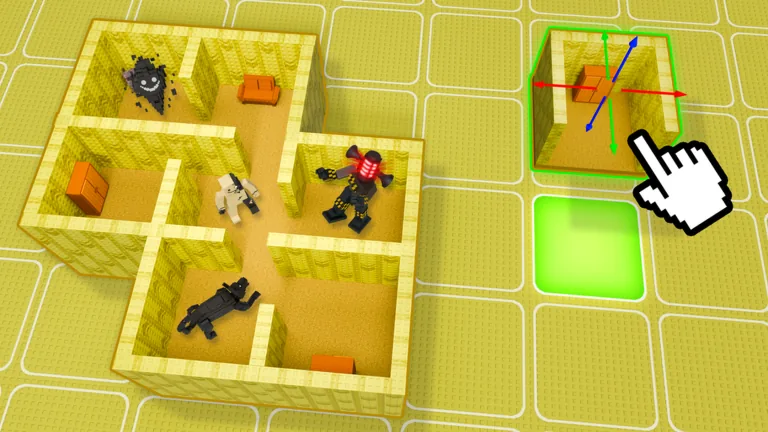
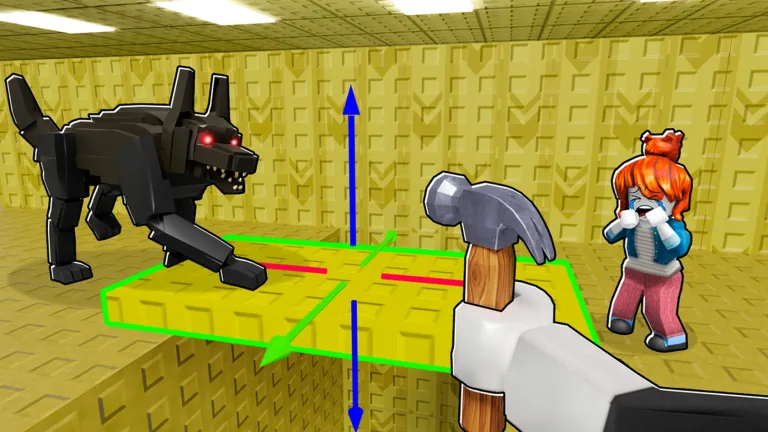
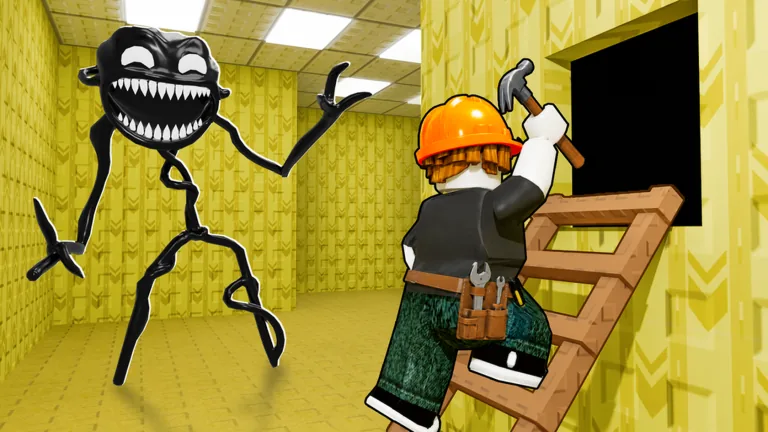
Maze-building thumbnail from Roblox public media.Monster placement thumbnail from Roblox public media.Building route thumbnail from Roblox public media.
Verification playbook
How this guide stays useful
Change one in-game variable at a time: route shape, monster placement, code claim, or update signal. If several things change at once, the result may look useful but it will not explain which decision improved the run.
When evidence is incomplete, the guide recommends the lower-risk player action. Skipping an unverified code wastes less time than promoting a fake reward, and a compact maze is safer than a complex copied layout with no source.
Repeated observations should become wiki entries only after they can be checked again. That keeps BuildYourBackrooms.blog from turning into another thin page that sounds complete but does not help players.
Practical detail
What belongs in the wiki first
The Build Your Backrooms wiki should prioritize categories that change player decisions: rooms, paths, monsters, buildings, visitors, cash behavior, codes, and updates. A name list is not enough. Each entry should explain what the item affects, how it was observed, when it was checked, and whether the claim is strong enough to support a guide recommendation.
Practical detail
Why exact values need stronger evidence
Exact rates, prices, rewards, and offline earnings can make players optimize around the wrong assumption. If a value is not visible, repeatable, or sourced, the wiki should say that it is unverified. A clear pending field is more honest than a number invented to make the page look complete. This is especially important while the game is still changing.
Practical detail
How wiki pages should grow
A future room, monster, or building page should connect back to a gameplay decision. If an entry cannot help a player choose a route, place a monster, check a code, or understand an update, it should remain a table row until more evidence exists. That keeps the wiki useful instead of becoming a thin archive of names.
Maintenance standard
What must change before this page changes
This page should change when a player can verify a code, repeat a route result, observe a monster placement outcome, or compare a Roblox metadata change with the previous snapshot.